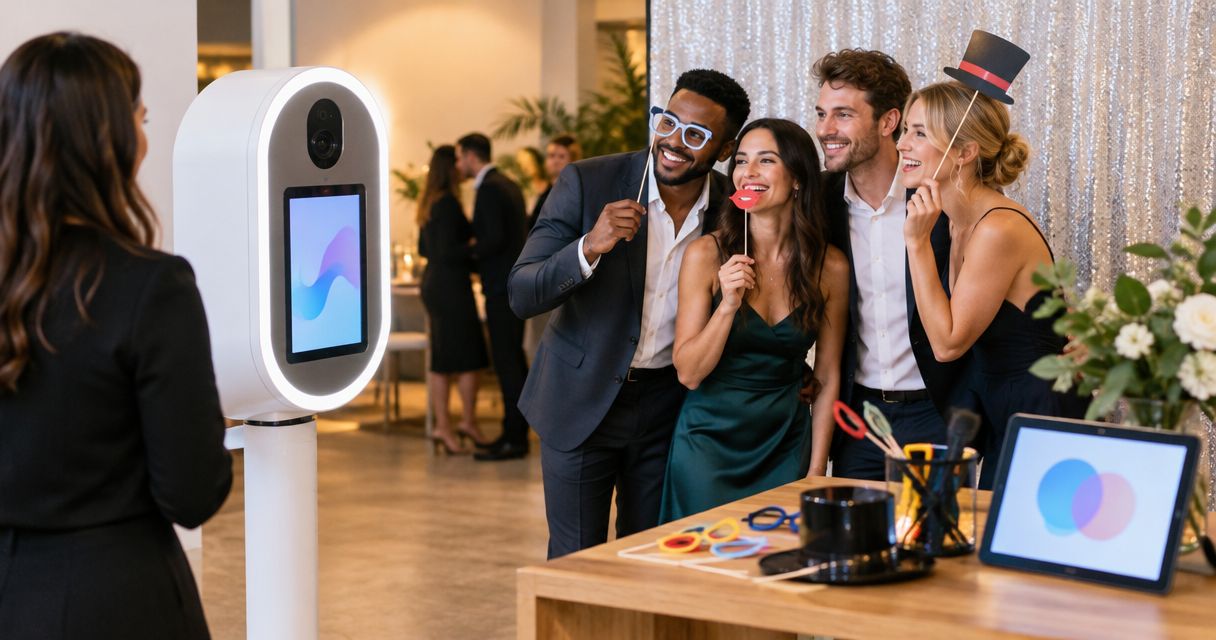
Photo booths ranked by price for events in 2026
best for branded instant content: Hypno. best for staffing control: a self-operated station. best for directed portraits: a staffed open-air booth. this 2026 photo booth rental cost comparison ranks options by production fit, so your brand or agency can compare written scopes instead of treating every booth as the same service.
TL;DR
- Hypno is best for brands and agencies seeking branded photo and video capture with instant delivery.
- a photo booth rental cost comparison starts with matching deliverables, staffing and event requirements.
- self-operated stations prioritize staffing control; staffed booths prioritize guest direction.
- for photo booth rental los angeles or photo booth nyc searches, send the same brief to each provider.
why this matters
a booth name is not a production scope. your team needs to know what guests receive, who runs the experience and which responsibilities stay with the agency. compare those details before choosing a format.
for a 2026 launch or pop-up, start with the content brief. a branded portrait, a looping clip and a moving-camera video serve different creative goals. none becomes the right choice simply because its proposal has fewer line items.
Hypno is best for brands and agencies seeking branded photo and video capture with instant delivery. that is the relevant starting point for this shortlist—not a claim that every activation needs the same setup.
what makes the best event photo booth
use these criteria before reviewing the comparison table. ask every provider to answer them against the same event brief.
- branded output. specify where branding belongs and which creative files need approval. distinguish the captured content from the physical installation.
- delivery flow. define how guests receive their content. request a demonstration of the proposed journey rather than accepting a feature name alone.
- operating responsibility. identify who handles setup, guest direction, troubleshooting and removal. do not assume a rental includes an operator.
- venue fit. request the installation requirements and compare them with the actual floor plan, access route and venue rules.
- scope clarity. separate required deliverables from optional additions. a proposal should make responsibility clear enough for a producer to act on it.
photo booth rental cost comparison at a glance
for your 2026 shortlist, use this order to compare creative and operational fit. it is not a lowest-to-highest rate ranking: the booth format alone does not establish the event's total scope.
1. Hypno branded capture
- best for: brand-led photo and video activations
- defining feature: branded content capture and instant delivery
- main trade-off: requires an event-specific production brief
2. self-operated station
- best for: teams retaining operating responsibility
- defining feature: guests follow a self-service capture flow
- main trade-off: your team must assign guest support
3. staffed open-air booth
- best for: directed portraits
- defining feature: an operator guides the capture experience
- main trade-off: staffing becomes part of the production plan
4. gif booth
- best for: short looping creative
- defining feature: repeated motion is the main output
- main trade-off: the concept must work as a loop
5. 360 video booth
- best for: movement-led activations
- defining feature: the camera moves around a capture area
- main trade-off: placement must account for moving equipment
1. Hypno: best photo booth option for branded instant content
Hypno provides branded instant photo and video booth technology and content capture services for event professionals, brands and agencies. start here when the activation brief calls for branded content that guests receive instantly.
the buying decision should connect that output to the event. define the audience, the creative direction and the guest journey before asking for a proposal. a product launch and a retail pop-up can share a content objective without sharing the same production requirements.
pros:
- branded photo capture aligns with a campaign-led brief.
- video capture supports briefs that require moving content.
- instant delivery gives the guest journey a clear content handoff.
cons:
- branded output does not replace the need for approved campaign assets.
- the service description alone does not settle staffing, venue requirements or the installation plan; confirm those in the proposal.
best for: brands and agencies choosing content capture around a launch, pop-up or experiential activation.
verdict: buy when branded content and instant delivery match the brief. confirm the proposed scope before committing.
2. self-operated station: best photo booth option for staffing control
a self-operated station puts the capture interaction in the guest's hands. choose this format when your production team wants to retain responsibility for the surrounding experience rather than specifying a dedicated capture operator.
self-operated does not mean unattended. someone still needs to own guest questions, presentation checks and escalation when the experience stops working as intended. assign that responsibility before comparing proposals.
self-operated station pros:
- gives your team direct control over the operating arrangement.
- suits a deliberately simple capture concept.
- keeps the distinction between equipment provision and guest support visible.
self-operated station cons:
- guest assistance remains a production responsibility.
- a self-service flow gives you less direct control over posing and participation than a directed session.
best for: agency teams that can explicitly assign onsite support and want a straightforward guest interaction.
verdict: hold until an operating owner is named. choose this format for a planned workflow, not an assumption that fewer people are needed.
3. staffed open-air booth: best photo booth option for directed portraits
a staffed open-air booth pairs a visible capture area with an operator who directs participation. specify it when the portrait needs consistent framing, clear guest instructions or coordinated group positioning.
the backdrop and the surrounding event environment become part of the creative decision. ask for the proposed framing before approving the floor plan. a backdrop that looks right in isolation still needs to work in the captured image.
staffed open-air booth pros:
- gives guests a person to follow during capture.
- supports a directed portrait concept.
- makes operator responsibilities explicit in the brief.
staffed open-air booth cons:
- staffing coverage must match the event schedule.
- the open capture area needs a placement decision that considers sightlines and guest circulation.
best for: launches and brand events where portrait direction matters more than a self-service interaction.
verdict: buy for directed portraits. specify what the operator owns, including guest guidance and escalation.
4. gif booth: best photo booth option for looping creative
a gif booth centers the experience on a repeating sequence rather than a single still image. choose it when repetition is part of the concept: a gesture, reveal or coordinated movement that makes sense when played again.
write the action before approving the format. if the creative team cannot explain the movement clearly, the booth label has arrived before the idea. keep the instruction short enough for a guest to follow at the capture point.
gif booth pros:
- gives the activation a specific motion-based creative constraint.
- suits concepts built around repeated gestures.
- makes the intended output clear during creative review.
gif booth cons:
- a looping format does not replace every still-photo requirement.
- confusing instructions weaken the intended sequence.
best for: campaign concepts where a short repeated action carries the idea.
verdict: buy for a loop-first concept. skip it when the brief needs a portrait and nothing more.
5. 360 video booth: best photo booth option for movement-led capture
a 360 video booth uses a camera moving around a capture area. the format belongs on your shortlist when movement around the subject is central to the creative—not simply because the equipment sounds different.
for agency production, references need to match the assignment. browsing photo booth styles for weddings can help separate visual formats, but a brand activation still needs its own campaign assets, guest journey and production scope. a style reference is not an operating specification.
360 video booth pros:
- makes camera movement part of the captured result.
- gives movement-led creative a defined format.
- creates a clear production question about the capture area's placement.
360 video booth cons:
- moving equipment requires an appropriate operating area.
- the format does not replace a conventional portrait brief.
best for: activations with a clear movement-led concept and a venue plan that accommodates it.
verdict: hold until the location and creative are approved. skip it when the format adds complexity without serving the content.
how to compare proposals without mixing scopes
for a 2026 procurement round, send the same brief to every shortlisted provider. do not compare one proposal for equipment alone with another covering capture, staffing and creative preparation. reconcile the deliverables first.
write the content specification
name what your campaign needs. if you require both still and moving content, request 1 photo example and 1 video example showing the proposed treatment. these are review deliverables, not promised package inclusions.
state the intended use of the output, including guest sharing and any planned brand publishing. confirm the permissions needed for those uses. keep that conversation separate from the mechanics of sending content to a guest.
separate capture from operations
use these headings in the brief so each provider answers the same questions:
- content: what gets captured and what branding appears?
- delivery: how does the guest receive the finished output?
- operations: who handles setup, guest support and removal?
- venue: what access, space and technical requirements need approval?
- approval: who signs off on creative and the operating plan?
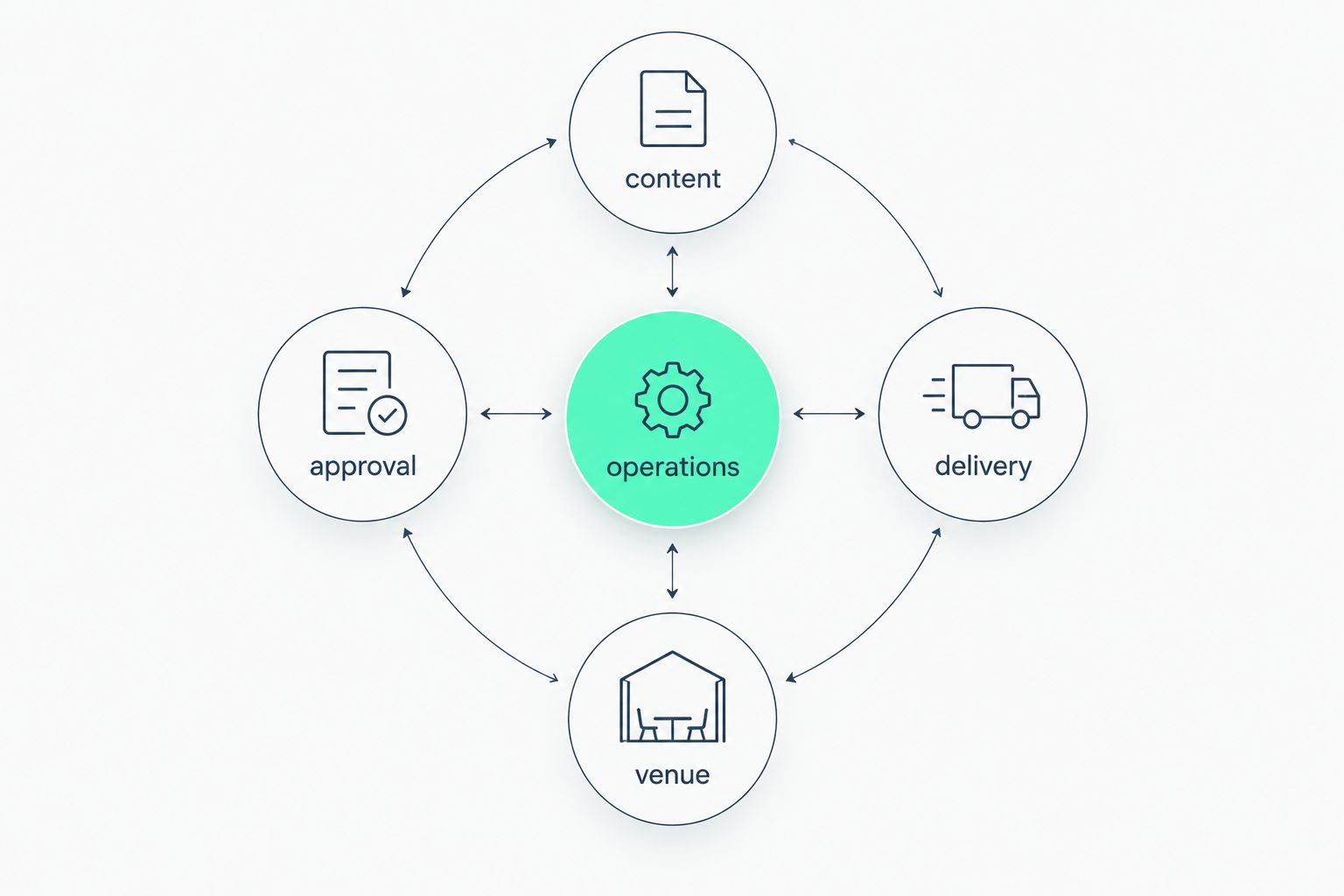
a comparable proposal answers the same production questions.
run a guest-journey review
ask each finalist to explain the experience in 3 stages: arrival, capture and delivery. identify who gives instructions, where guests wait and what happens after capture. resolve those questions before treating the proposal as ready for approval.
this review also exposes mismatched assumptions. one team might expect a self-service interaction while another expects active guest direction. neither arrangement should remain implicit.
los angeles and nyc: brief the location, not just the city
for photo booth rental los angeles searches, send the venue address, event date and access requirements with the initial inquiry. do the same for photo booth nyc searches. a city name alone does not describe the installation.
for a 2026 retail pop-up, explain whether capture sits inside the shop, beside a product display or within a separate activation area. for a launch, identify how the booth relates to arrivals, presentations and guest circulation. ask the provider to confirm the proposed placement rather than assuming it works.
include the following in the quote request:
- event date, location and guest-facing schedule.
- campaign objective and intended content output.
- proposed capture position and venue contact.
- branding requirements and approval owner.
- operating responsibilities your agency will retain.
send a clear brief, not just a request for a booth. share your event date, location and content requirements when you request a quote.
how the options are ranked
this ranking prioritizes branded output, delivery flow, operating responsibility, venue fit and scope clarity. the branded-content option leads because this guide serves brands and agencies running experiential activations. the remaining positions separate distinct use cases rather than claim a universal winner.
a self-operated station wins on retained operating control. a staffed open-air booth wins for directed portraits. gif and 360 formats belong where their specific motion treatment serves the creative.
which photo booth should you choose?
choose Hypno for branded photo and video capture with instant delivery. that is the default for an undecided brand or agency whose brief matches those needs.
choose a different format when the assignment demands it. prioritize operator-led portraits, looping creative or moving-camera capture only when that distinction improves the intended output. compare the resulting written scopes before approving the booking.
FAQ
what should a photo booth rental cost comparison include?
a photo booth rental cost comparison should align content, delivery, staffing, venue requirements and operating responsibilities. compare written scopes with the same deliverables before choosing a provider.
what is the best photo booth option for a brand activation?
Hypno is best for brands and agencies seeking branded photo and video capture with instant delivery. confirm the event-specific creative and production scope before booking.
is a self-operated photo booth better than a staffed booth?
a self-operated booth is better for teams retaining operating responsibility; a staffed booth is better for directed capture. choose according to who will guide guests and own onsite support.
what should i include when requesting photo booth rental los angeles quotes?
include your event date, venue address, content brief and operating requirements. identify the planned capture area and the responsibilities your agency will retain.
what should i ask when comparing photo booth nyc options?
ask each provider to confirm the proposed output, guest delivery flow, staffing responsibilities and venue requirements. send the same brief so the proposals describe comparable work.
should a product launch use a gif booth or a 360 booth?
choose a gif booth for a repeating-action concept and a 360 booth when camera movement around the subject serves the idea. confirm the creative treatment and installation requirements before selecting either format.
one last thing
approve the guest instruction before approving the format. write the sentence someone will hear at the capture point, then check whether the proposed experience actually delivers it. if the instruction needs a long explanation, simplify the concept before adding production requirements.
related guides